Two local varieties from Malta outperformed a global favourite, and the reason may change how we think about fruit leftovers
When we eat a pomegranate, we enjoy the juicy seeds and throw away the rest. Yet the peel makes up about half of the fruit’s weight, and it is packed with natural compounds that are valued for their antioxidant properties. Most of it is simply discarded.
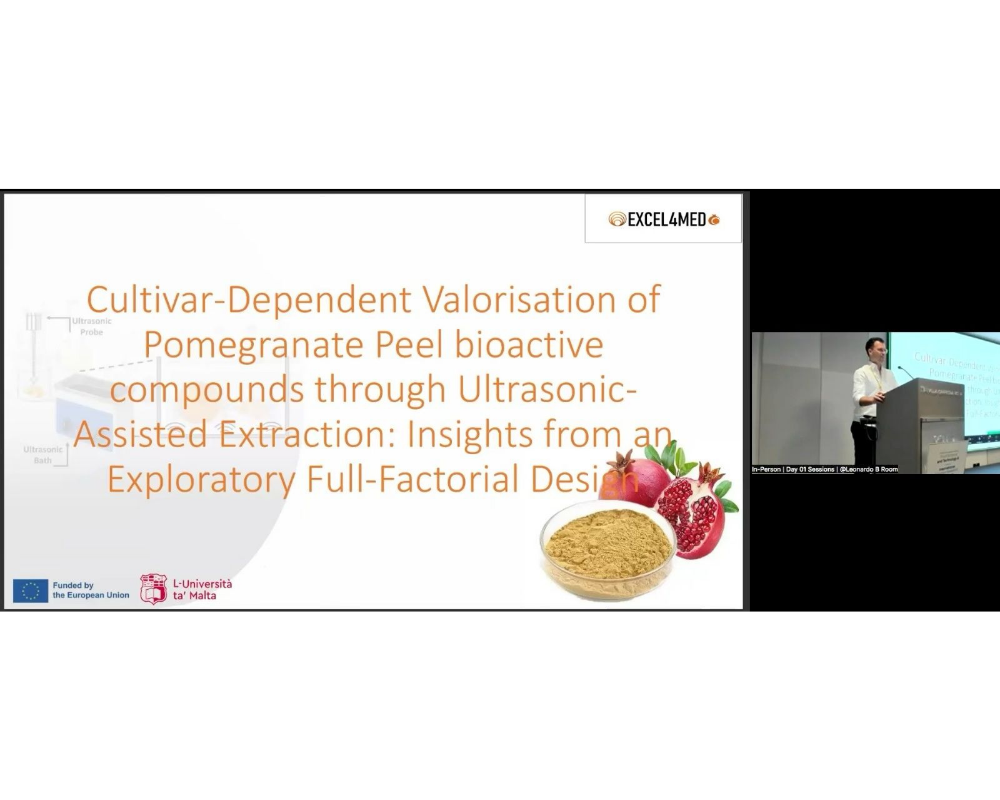
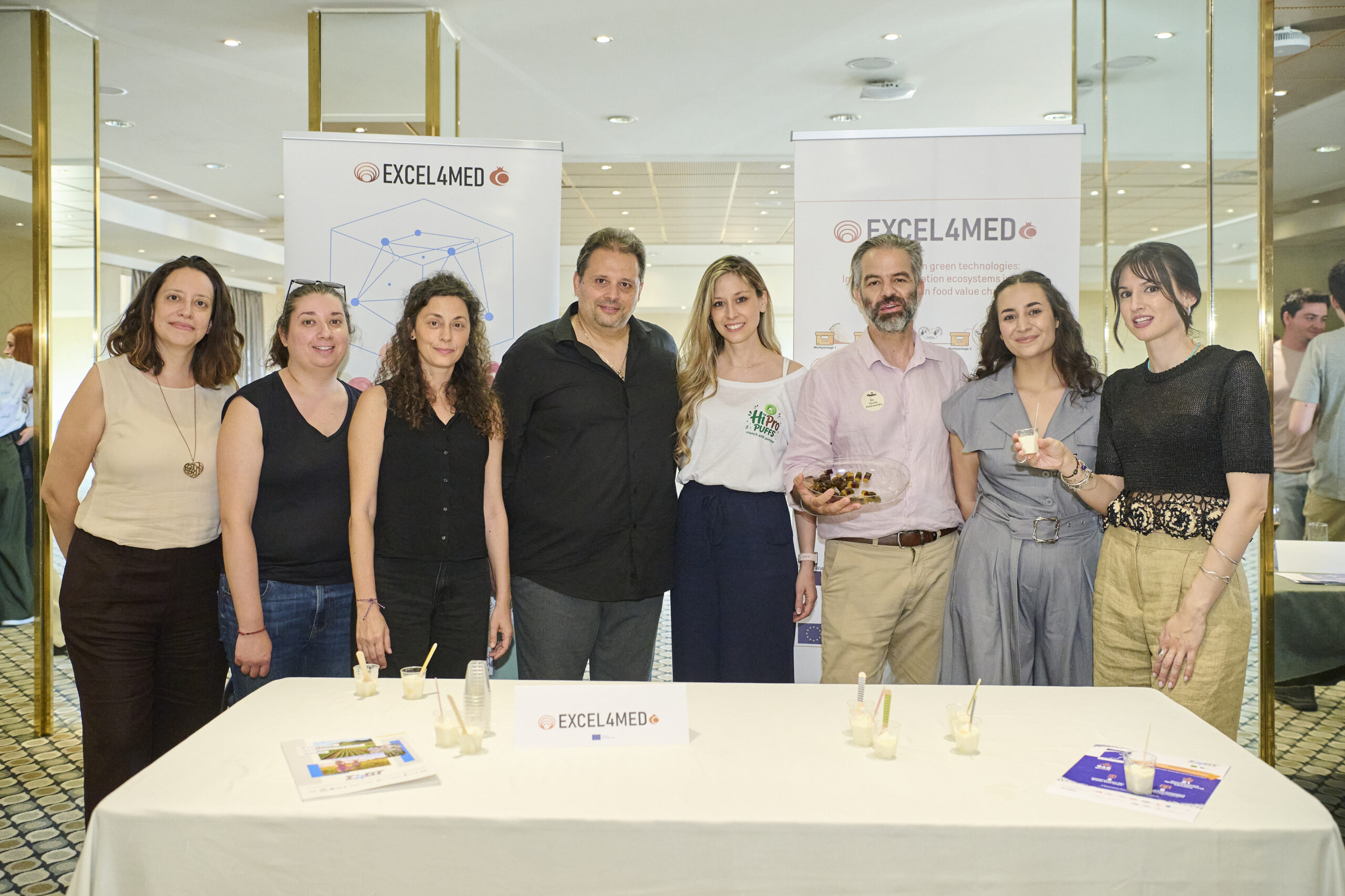
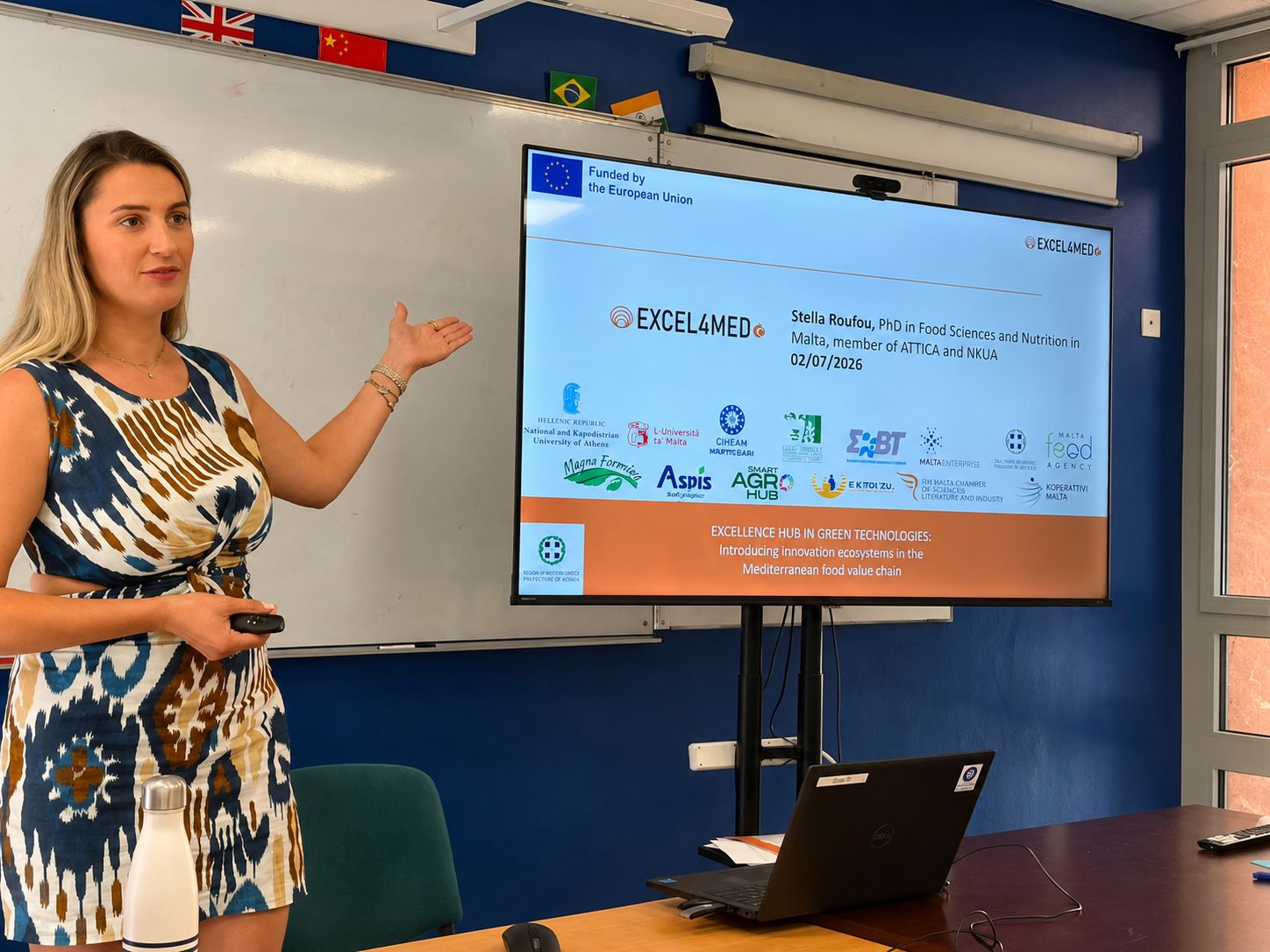
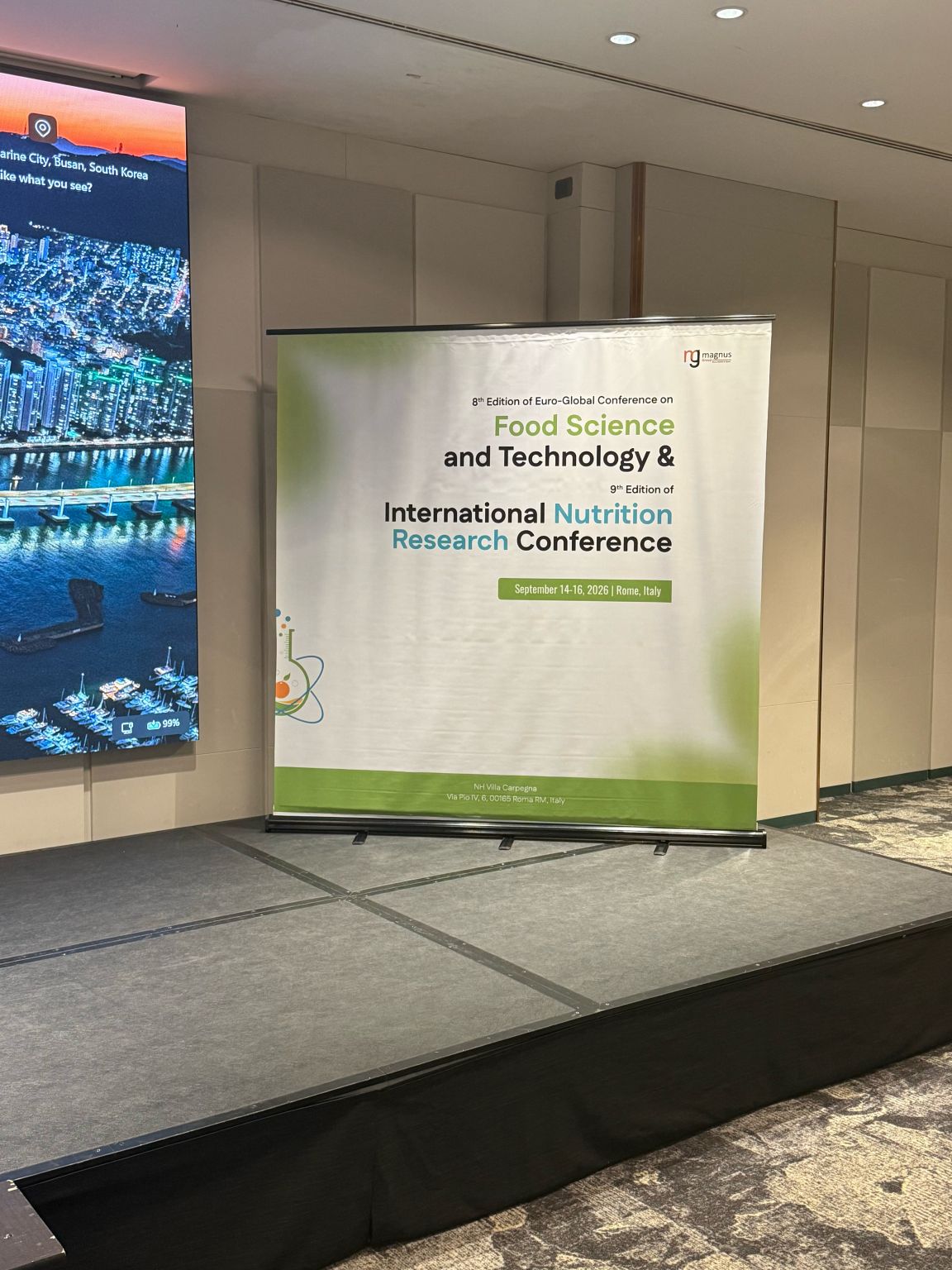
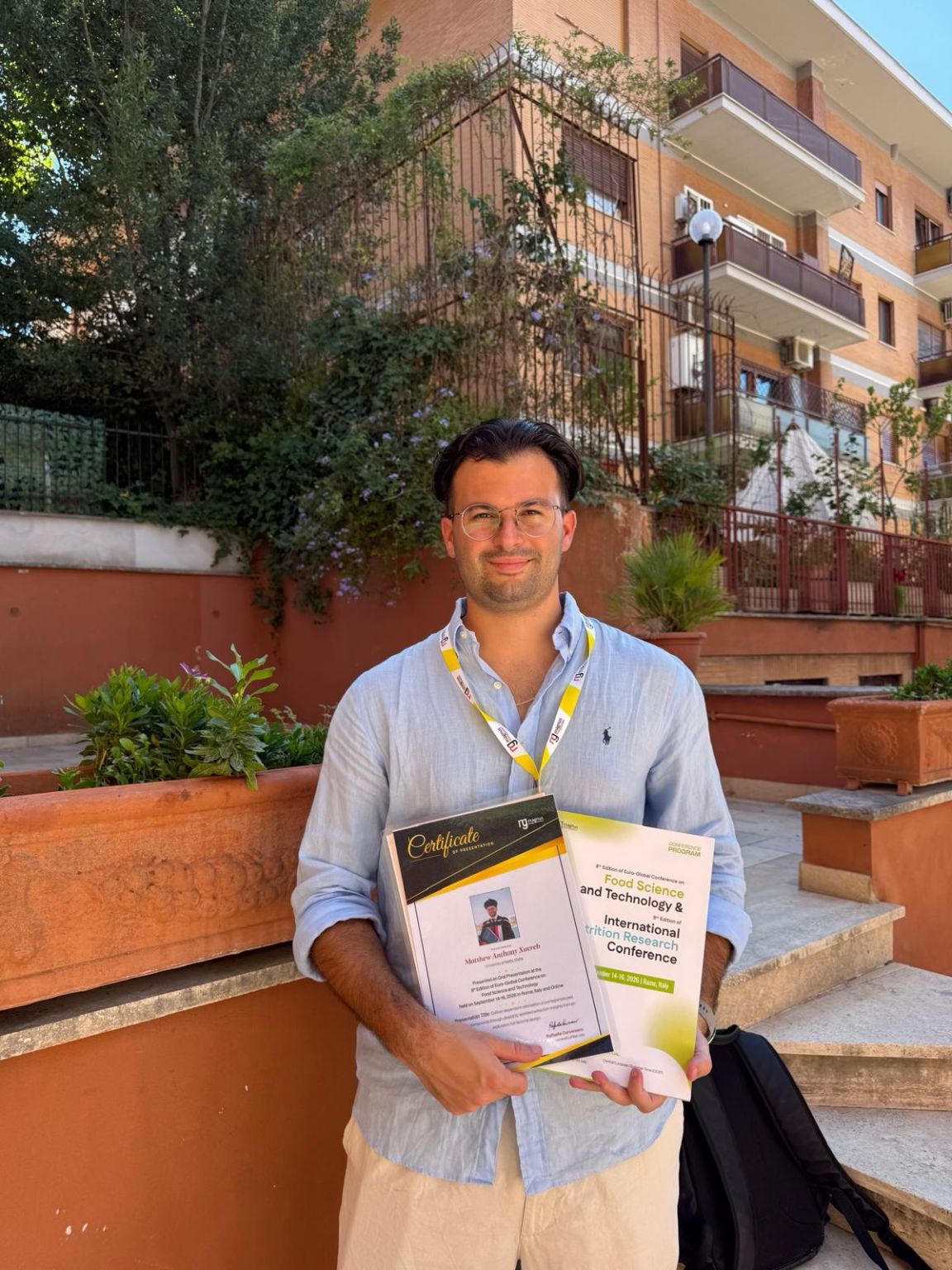
This question brought the EXCEL4MED team from the University of Malta to Rome (Italy), where on 14-16 September 2026 the 8th Edition of the Euro-Global Conference on Food Science and Technology (FAT 2026) gathered researchers from across the food sector.
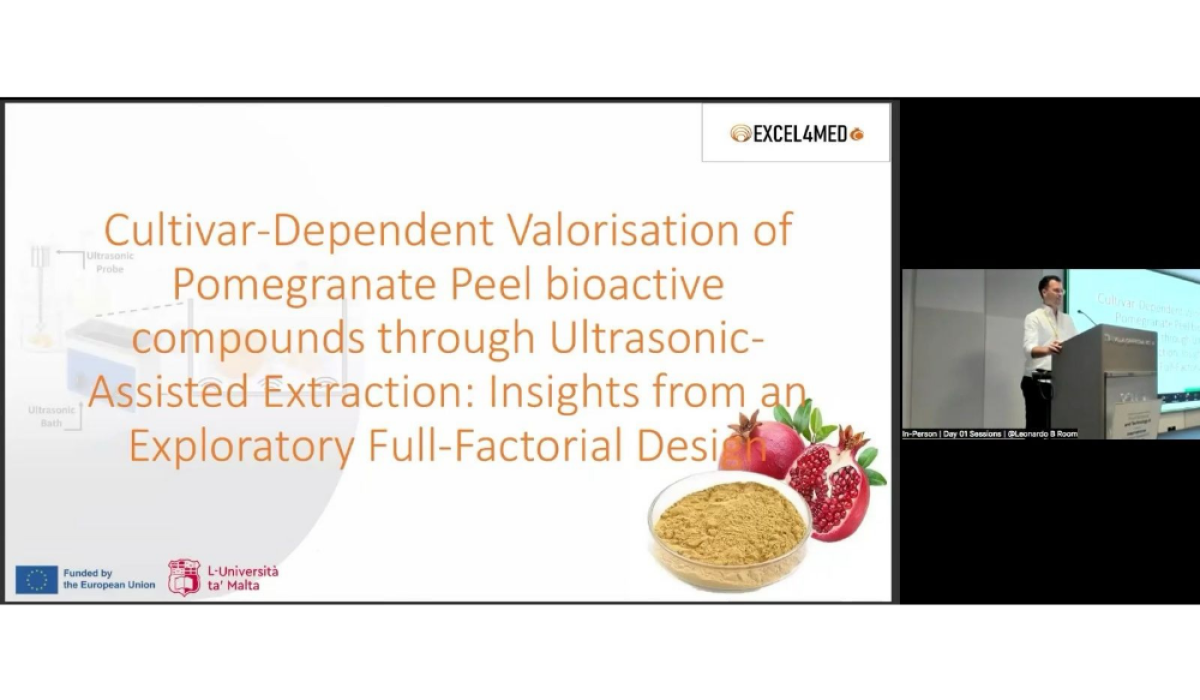
Our partner Matthew Anthony Xuereb presented part of the work that the Maltese team has been carrying out within our project.
Three pomegranates, one question
The team compared peels from three pomegranate varieties: Bullar and Ħelu, two of Maltese origin that have received very little scientific attention so far; and Wonderful, the variety most widely found on the market.
To draw out the valuable compounds, our partners used ultrasound, a gentle and environmentally friendly technique that uses sound waves rather than harsh chemicals.
They tested different combinations of ethanol concentration and acidity to see which conditions worked best for each variety.

The Maltese varieties came out ahead: Bullar and Ħelu peels delivered clearly higher levels of beneficial plant compounds than Wonderful.
Every variety has its own recipe. The conditions that suited Bullar best were not the same as those that suited Ħelu. A single, one-size-fits-all method would leave valuable material behind.
Therefore, the starting fruit matters. The choice of raw material strongly influences what can be recovered from fruit processing residues, and so how much value they hold.
These results point to a promising future for local Mediterranean fruit varieties. With the right extraction approach, what is now treated as waste could become a useful ingredient for food and health products.