How can innovative food processing technologies contribute to more sustainable and resilient agri-food systems, especially in emerging economies?
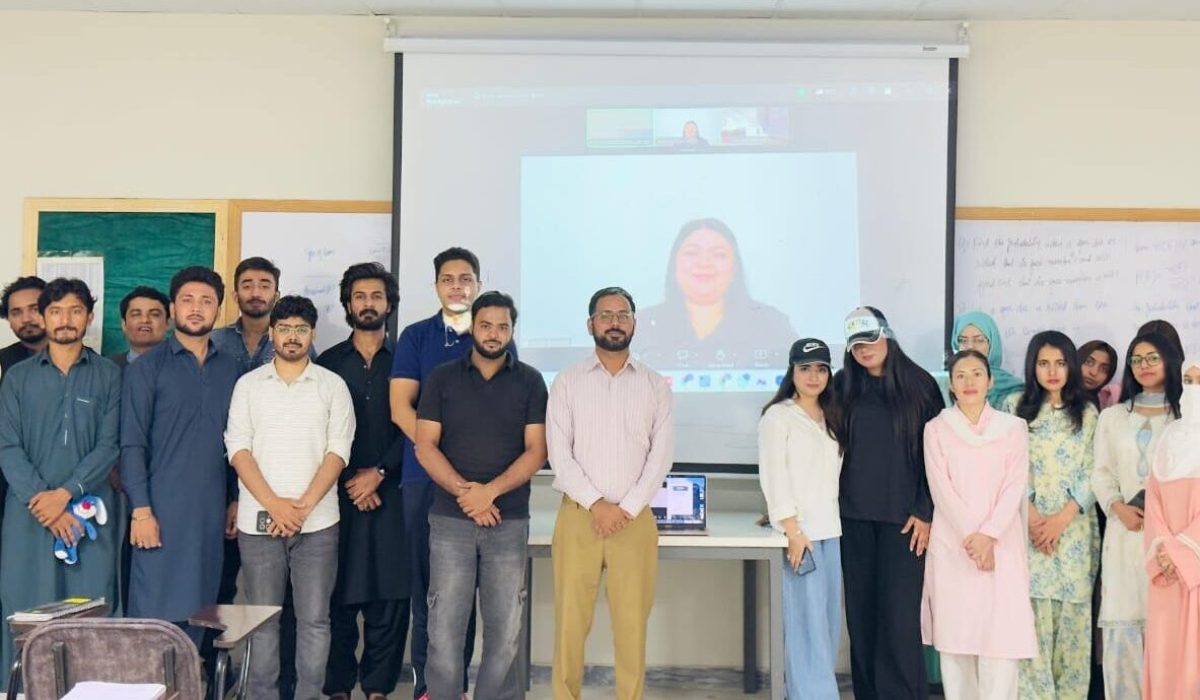
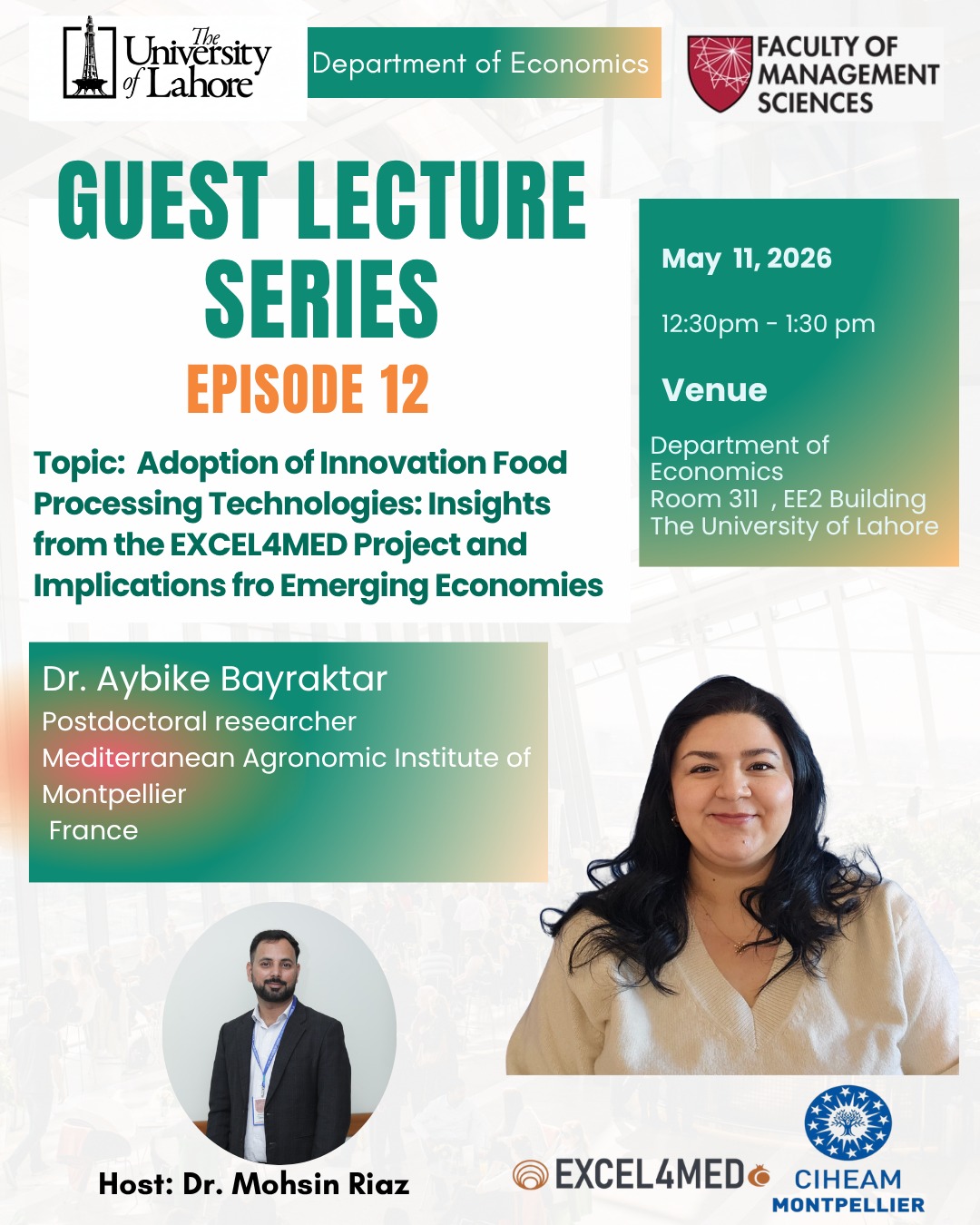
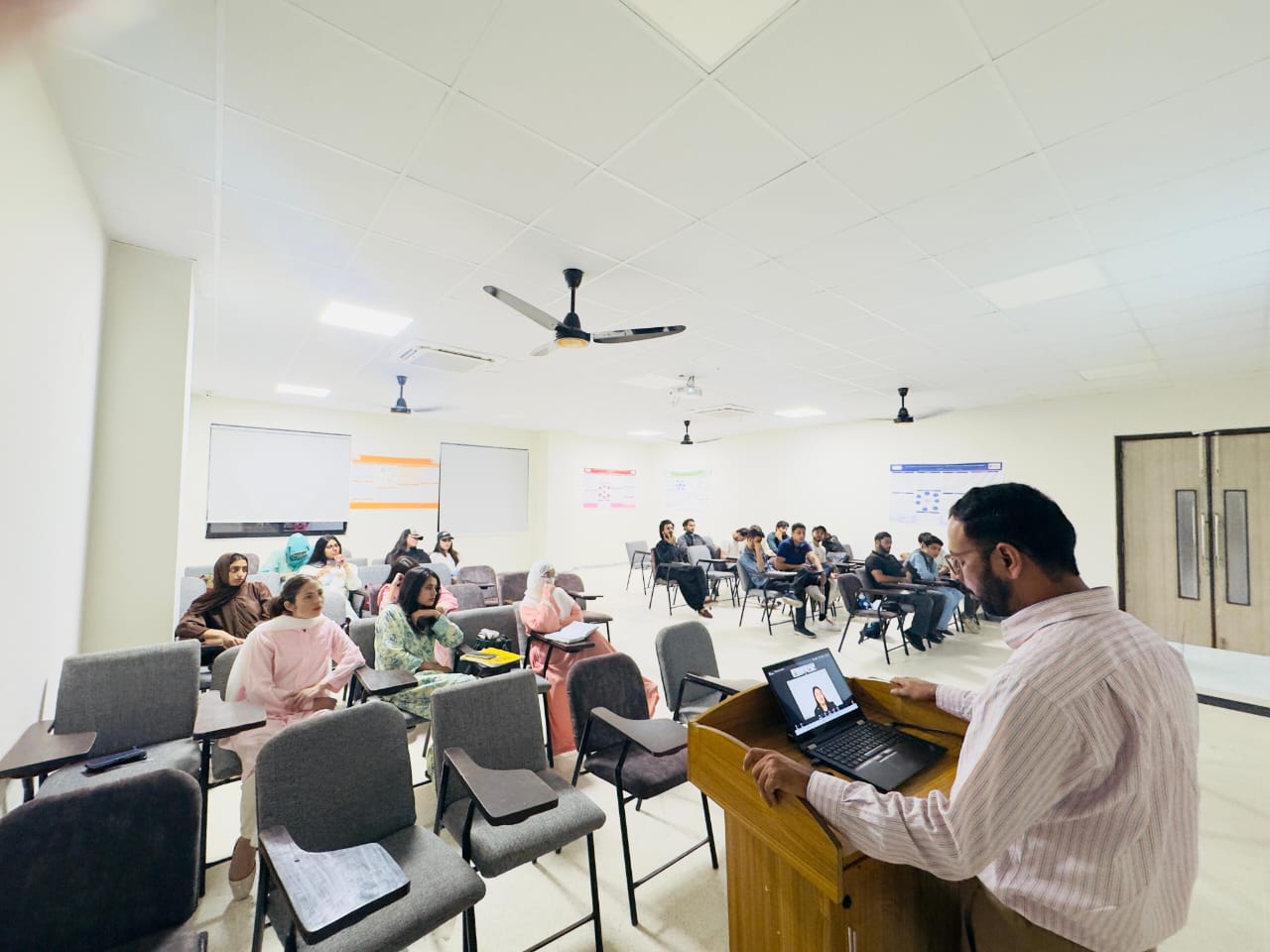
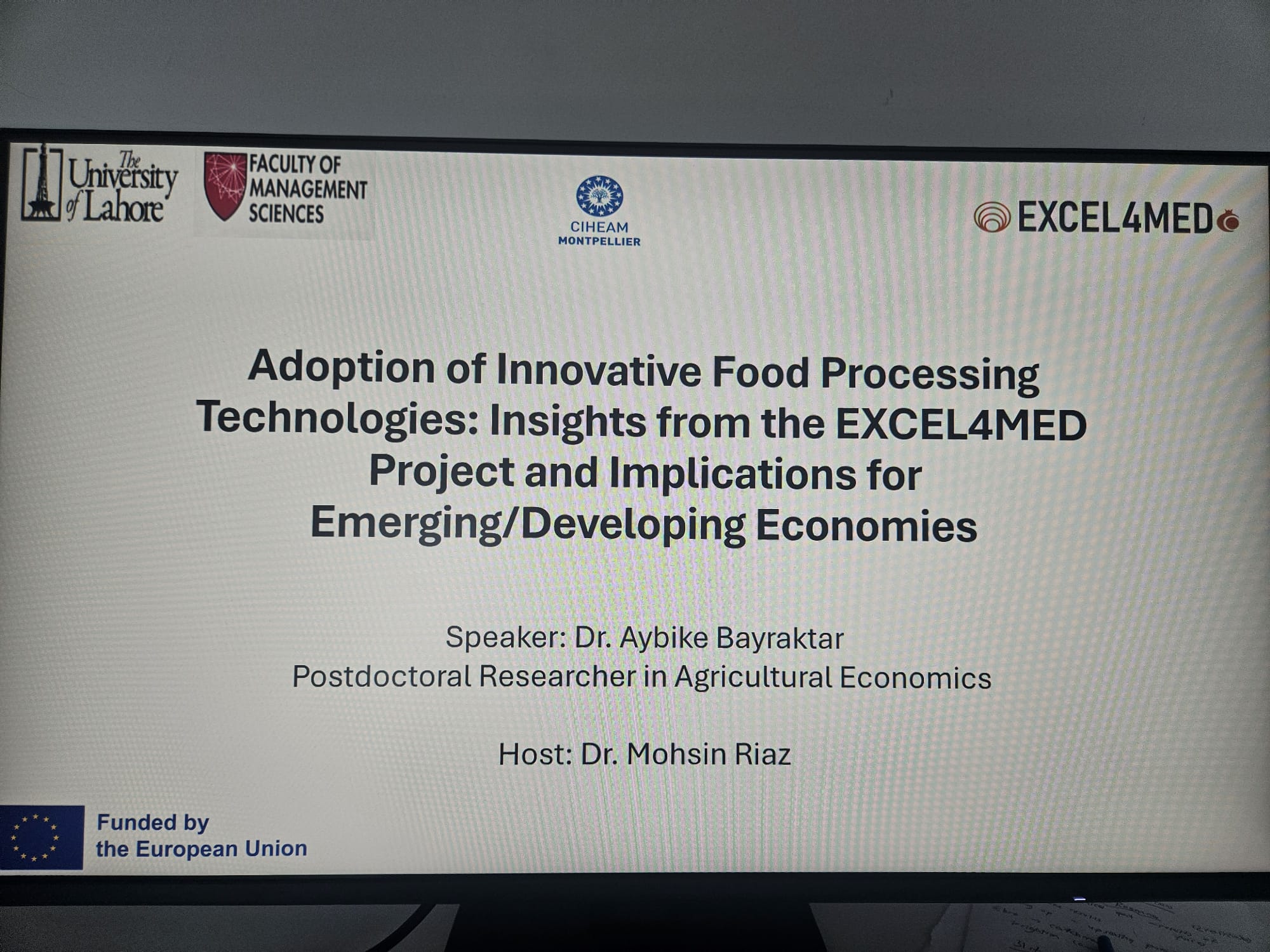
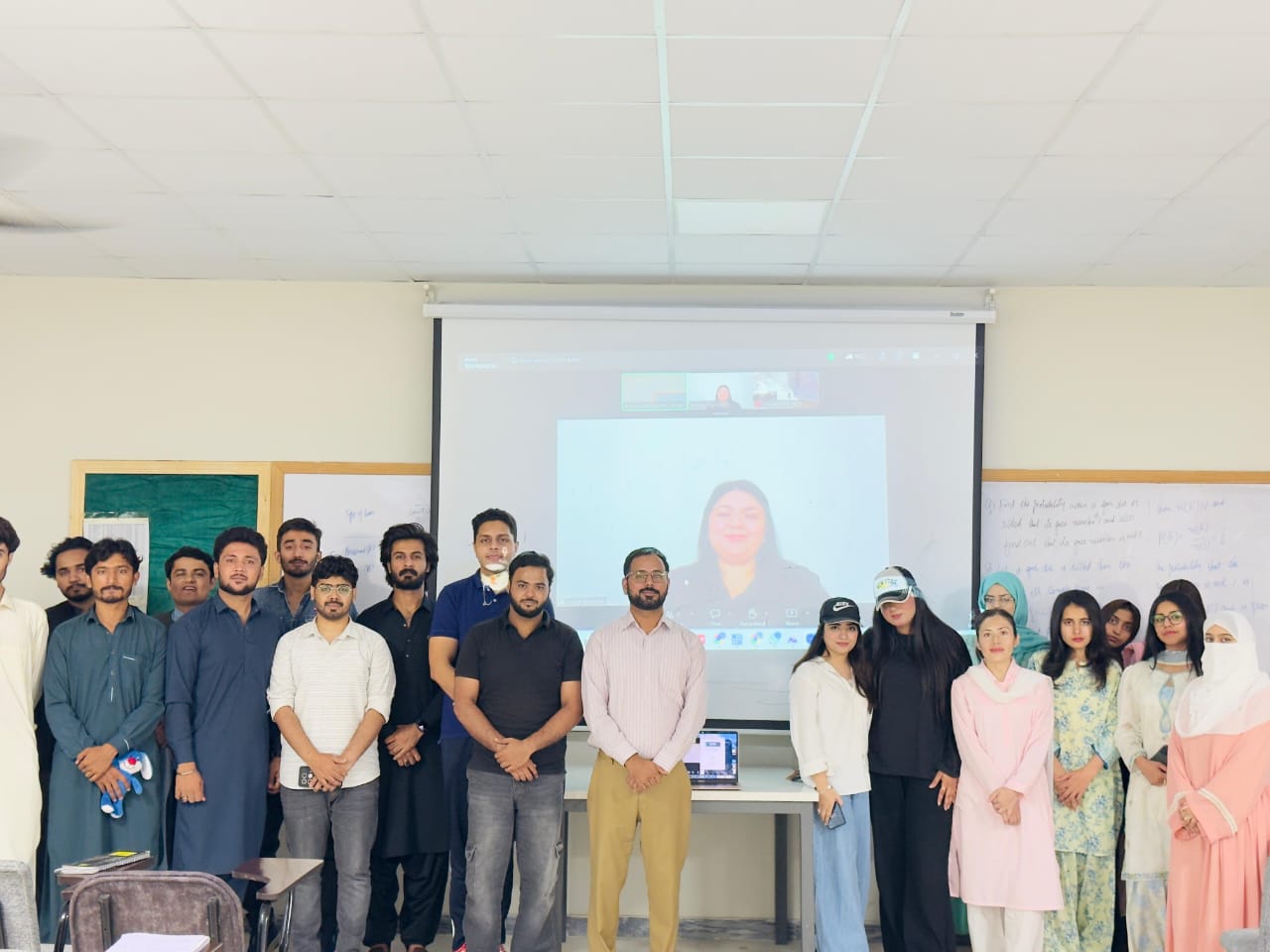
This important question was at the centre of a guest lecture delivered by EXCEL4MED partner Aybike Bayraktar (CIHEAM-IAMM), as part of the 12th episode of the Guest Lecture Series organised by the University of Lahore (Pakistan) on 11 May 2026.
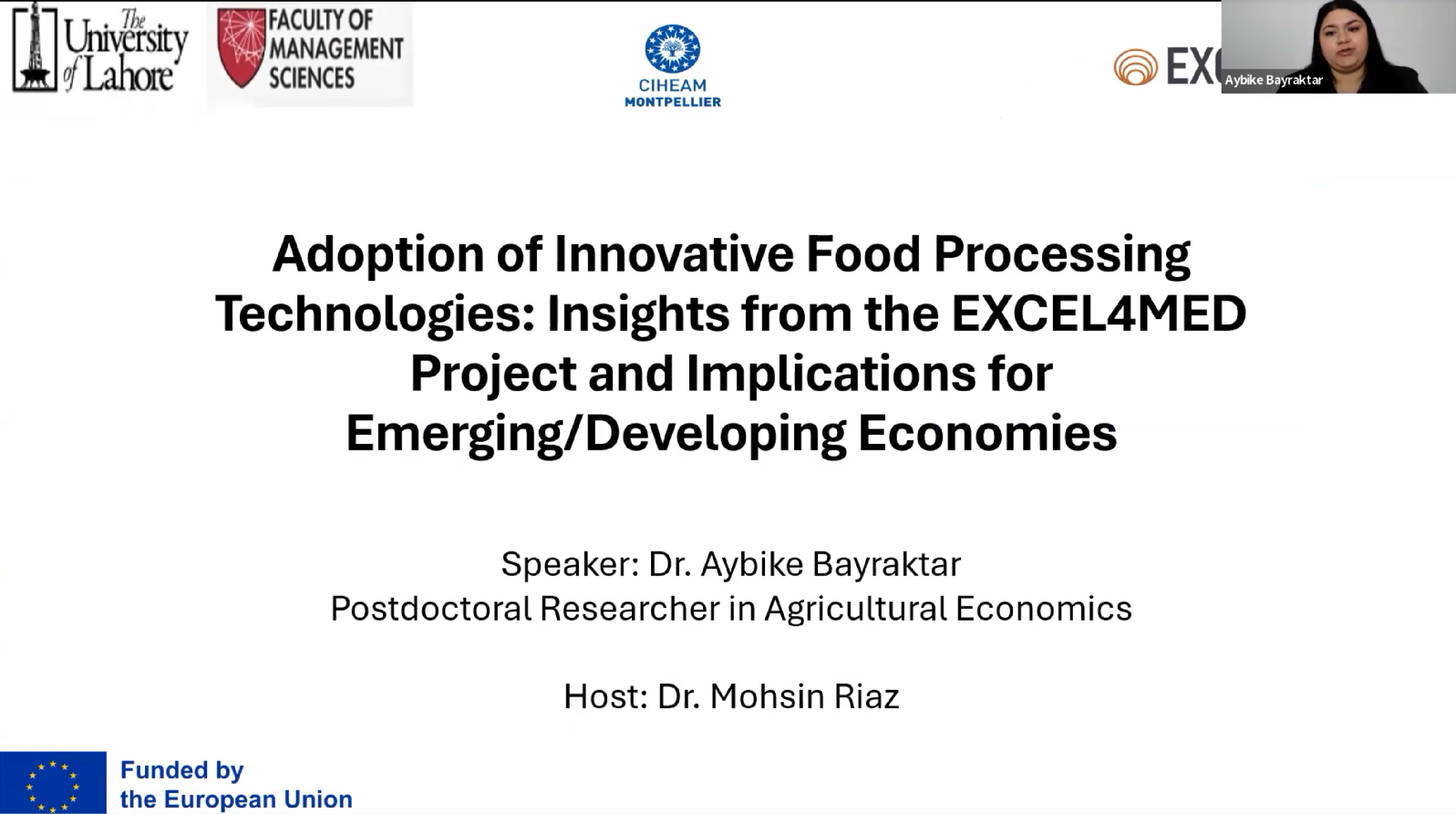
Invited by Dr. Mohsin Riaz and the Department of Economics, Aybike presented the lecture titled “Adoption of Innovative Food Processing Technologies: Insights from the EXCEL4MED Project and Implications for Emerging Economies” to around 40 participants, including faculty members and students from the 6th and 7th semesters of the BS Economics programme.
Bringing EXCEL4MED research closer to international students
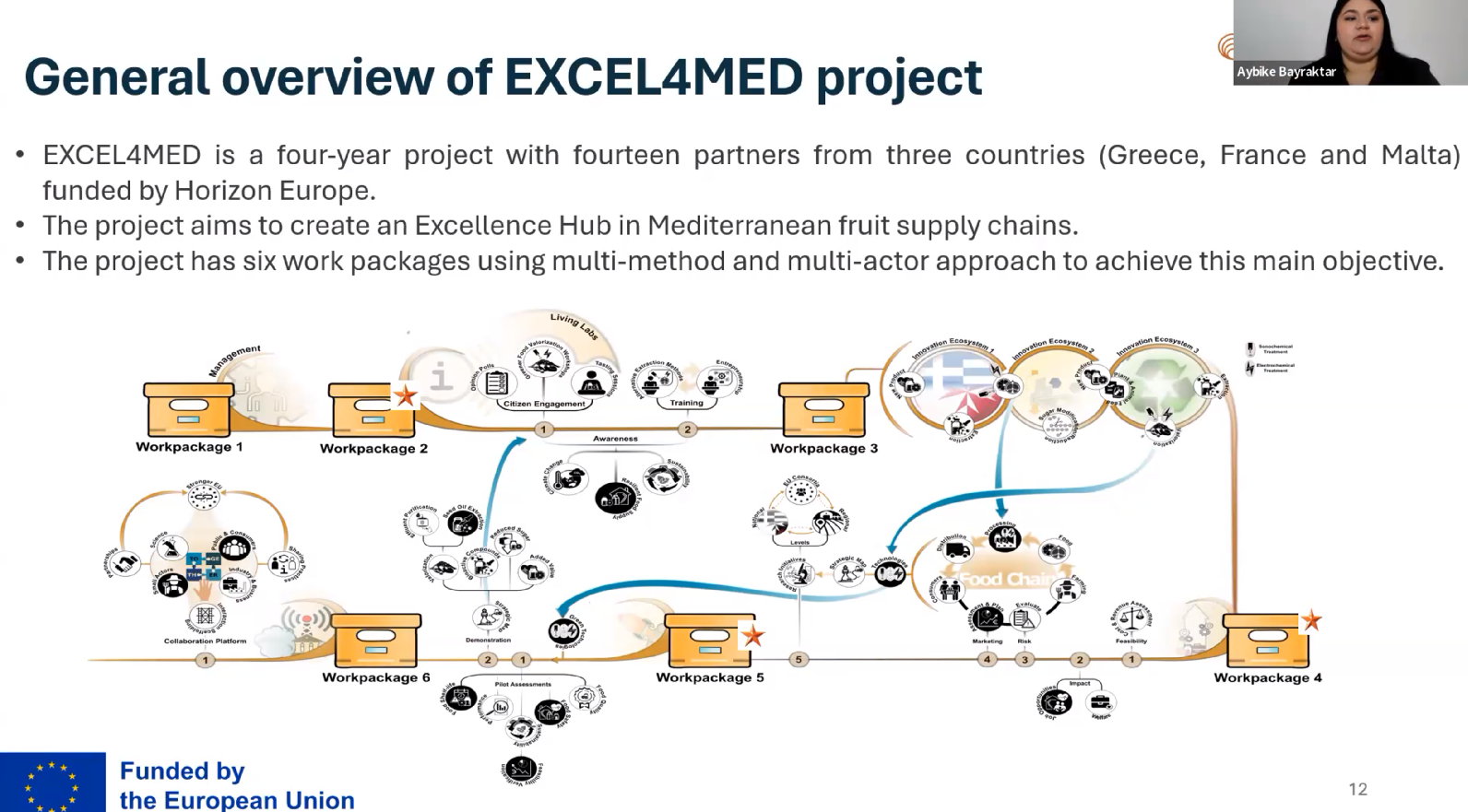
During the lecture, participants were introduced to the goals and activities of EXCEL4MED, with a particular focus on how innovation can support the transition towards more sustainable food systems in the Mediterranean region and beyond.
Aybike also shared key insights and preliminary findings from several EXCEL4MED research activities, including:
- Q methodology research
- Consumer behaviour analysis
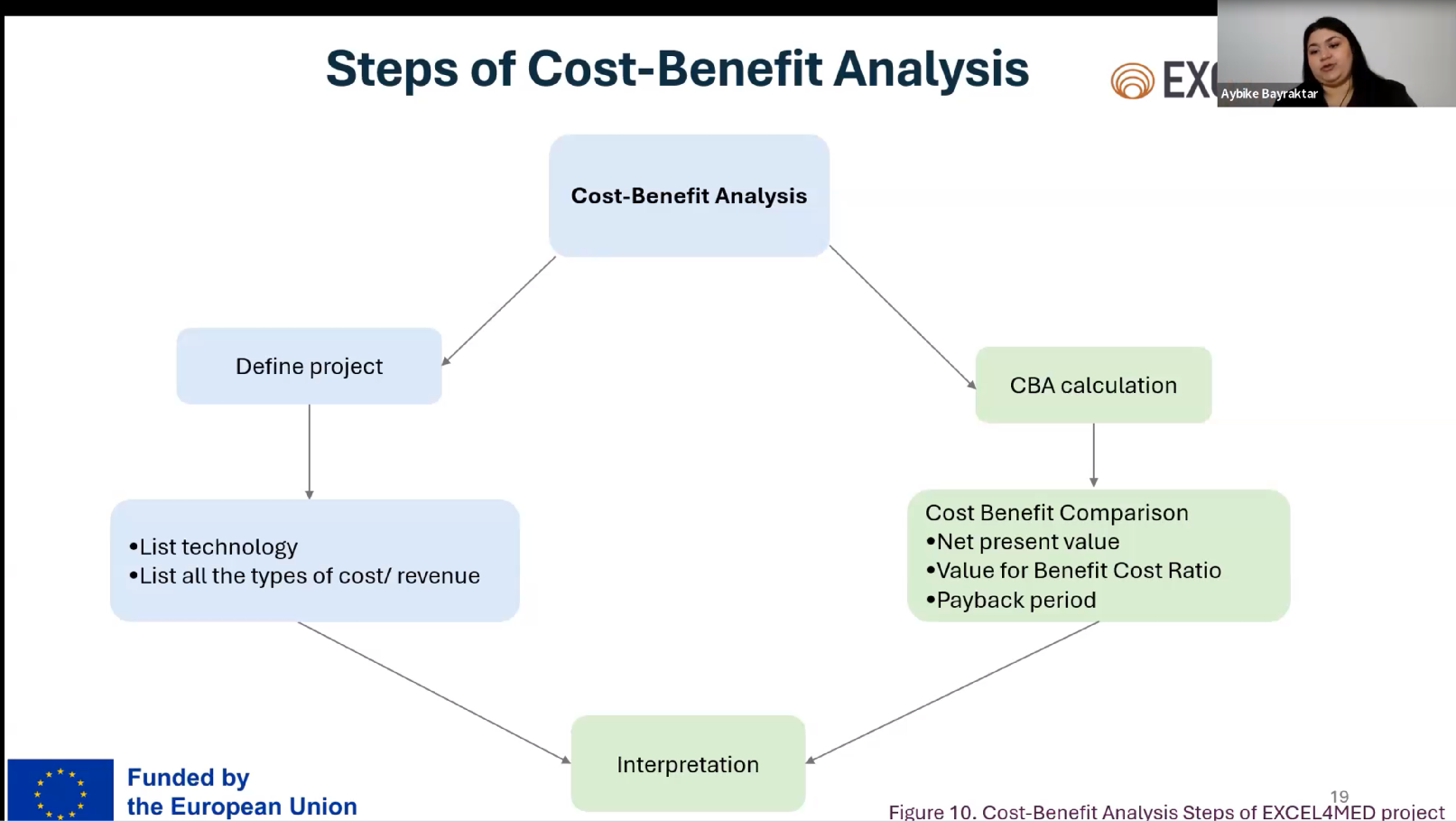
- Cost-benefit analysis related to innovative food processing technologies
The discussion explored both the opportunities and challenges linked to the adoption of innovative technologies in agri-food systems, particularly in developing and emerging economies.
Discussing challenges and opportunities for emerging economies
One of the central themes of the lecture was the importance of international collaboration in addressing global agri-food challenges and supporting evidence-based policymaking.
Participants discussed how emerging food processing technologies can improve quality, efficiency and sustainability across agri-food value chains, while also recognising the barriers many developing countries still face, such as:
- Limited access to financing
- Insufficient institutional support
- Lack of technical awareness and training opportunities
The session also highlighted the growing importance of sustainable agri-food systems as a research and career field for young economists and future researchers interested in food security, agricultural economics and innovation.
Encouraging dialogue with future researchers
The lecture allowed participants to broaden their perspectives on global agricultural challenges and explore innovative approaches that can contribute to more resilient and sustainable food systems worldwide.
Through activities like this, EXCEL4MED continues strengthening knowledge exchange, international cooperation beyond Europe, and engagement with future generations working towards sustainable agri-food systems.